In this article, we will explore the importance of visiting a preventive dentist and how such visits are essential for maintaining oral health across different stages of life. With a focus on prevention, we’ll address key concerns and questions people often have about preventive dentistry.
Why Is Preventive Dentistry Important?
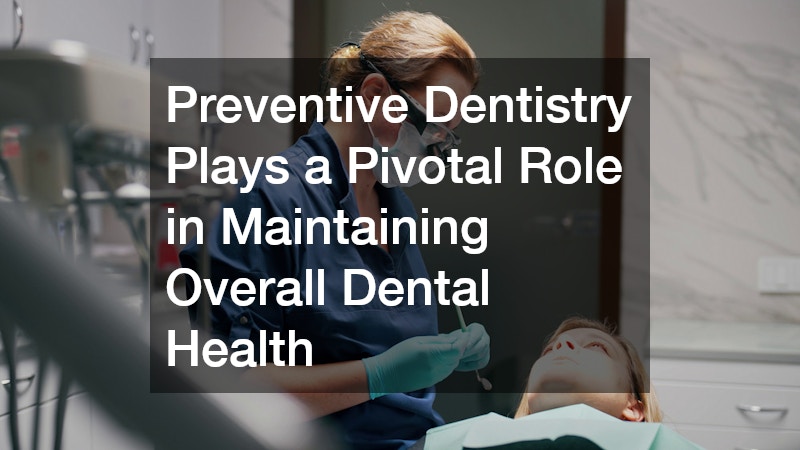
Preventive dentistry plays a pivotal role in maintaining overall dental health by focusing on safeguarding your teeth and gums before problems arise. It involves regular checkups, cleanings, and patient education to ensure that oral diseases are kept at bay.
The proactive approach to dental care helps prevent common issues such as tooth decay, gum disease, and enamel wear which, if left unchecked, could lead to more significant health concerns.
One of the most compelling reasons for engaging in preventive dentistry is its ability to mitigate the risk of developing dental problems that could lead to more complex procedures, like fillings, root canals, or extractions. By catching potential issues early, such as the early signs of cavities or gum disease, preventative dentistry helps to minimize the need for these invasive procedures. In addition, maintaining good oral health significantly contributes to your overall well-being as poor oral hygiene has been linked to other serious health conditions, including heart disease and diabetes.
Preventive dentistry also serves as a cost-effective strategy for managing long-term dental health. Regular visits can save you money by addressing dental issues before they require more expensive treatments. Educational aspects of preventive care emphasize the importance of daily practices such as brushing and flossing, as well as diet choices that will sustain healthy teeth for a lifetime. Ultimately, preventive dentistry empowers individuals to take charge of their oral health, providing them with the confidence that comes from a healthy smile.
How Often Should You Visit a Preventive Dentist?
The frequency of dental visits is essential in maintaining optimal oral health and depends on several factors, including age, existing health conditions, and lifestyle practices. For children, it is usually recommended to have their first dental check-up when their first tooth appears, and continue regular visits every six months. These early visits help normalize the dental experience, making it a positive routine that encourages lifelong dental care habits. Moreover, dentists can monitor the growth of the child’s teeth and jaws, providing timely interventions if alignment issues arise.
For adults, routine check-ups and cleanings every six months are the standard recommendation, although those with active dental issues or a higher risk of oral diseases might need more frequent visits. As adults are prone to lifestyle habits such as smoking or frequent coffee consumption, preventive dental visits can help manage and monitor the effects of these behaviors. It is particularly beneficial for maintaining gum health, which tends to decline with age, thereby preventing periodontal disease.
Senior citizens, on the other hand, may face unique dental challenges like dry mouth, root caries, and age-related bone loss. As such, they may be advised to see their dentist more often than younger individuals, especially if they have conditions like diabetes or are taking medications that can adversely affect their dental health. Individual dental plans can be tailored to address the specific needs of older adults, ensuring that their oral health is protected as they age gracefully.
What Can You Expect During a Preventive Dental Visit?
During a preventive dental visit, several essential procedures are performed, starting with a thorough dental examination. This involves a comprehensive assessment of teeth and gums to look for any signs of decay, gum disease, or other potential problems. X-rays might be taken to provide a detailed view of areas not visible during the visual exam, helping detect issues that are not apparent externally.
After the examination, a professional dental cleaning will be conducted to remove plaque and tartar that cannot be eliminated by regular brushing and flossing. This cleaning helps prevent cavities and gum disease by removing bacterial buildup. Dental professionals also polish teeth to remove surface stains, leaving you with a brighter smile. Preventive visits are rounded out with fluoride treatments or dental sealants that further protect the teeth against decay.
Education is a critical component of these visits, with dental professionals offering personalized advice on oral hygiene routines and lifestyle habits conducive to dental health. Patients are taught effective brushing and flossing techniques, and dentists might recommend specific products to use at home. By honing these skills and using the right tools, patients can maintain good oral hygiene between visits, ensuring long-term dental health.
Regular visits to a preventive dentist play a critical role in maintaining oral health throughout life. By understanding the importance, frequency, and procedures of preventive dentistry, individuals can make informed decisions to prioritize their dental health effectively. Embracing preventive dental care not only prevents dental issues but also supports overall health, enhancing the quality of life at any age.