Dental emergencies rarely happen at a convenient time. A sudden toothache, a cracked tooth, or an injury from an accident can escalate quickly, affecting not only oral health but overall well-being. Knowing when a dental issue requires immediate attention can make the difference between saving a tooth and facing more extensive treatment later.
Many people hesitate to seek urgent care, hoping discomfort will fade on its own. Unfortunately, delaying treatment often leads to worsening pain, infection, or permanent damage. Understanding the warning signs and knowing how professionals respond to emergencies empowers patients to act confidently and decisively.
This article explains when immediate dental care is necessary, how professionals address urgent oral health issues, and what steps patients can take before and after treatment. By recognizing emergencies early and understanding available treatment options, individuals and families can protect their oral health and minimize long-term complications.
Recognizing Dental Problems That Require Immediate Attention
Some dental problems demand immediate care to prevent serious complications. Understanding these warning signs helps patients know when emergency tooth services are necessary rather than waiting for a routine appointment.
Common signs of a dental emergency include:
-
Severe or persistent tooth pain that interferes with daily activities
-
Swelling in the gums, face, or jaw
-
Bleeding that does not stop after applying pressure
-
A knocked-out or loose tooth
-
Signs of infection such as fever, pus, or a bad taste in the mouth
Pain is often the first indicator that something is wrong, but not all emergencies involve discomfort. For example, a cracked tooth may not hurt immediately but can expose sensitive inner layers and increase the risk of infection. Similarly, swelling can signal an abscess that may spread if left untreated.
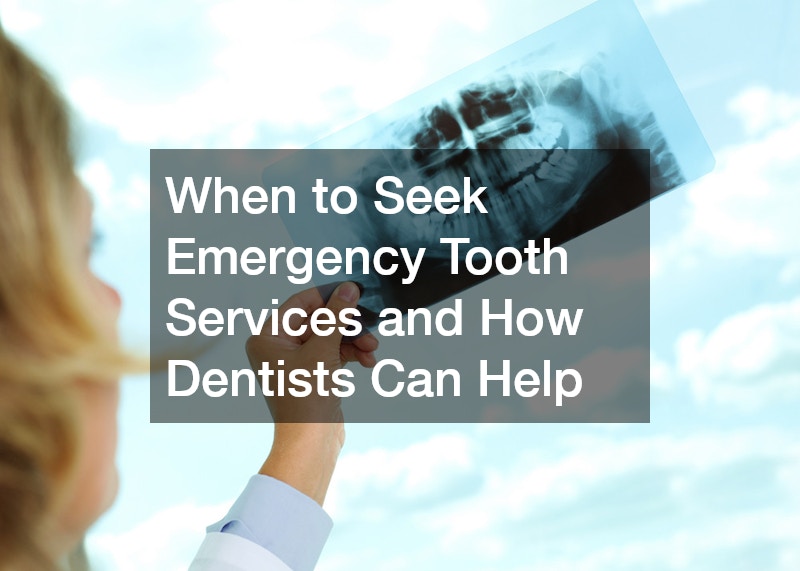
A dentist evaluates emergencies by assessing symptoms, reviewing dental history, and using imaging when necessary. Prompt diagnosis allows treatment to begin before complications worsen. Acting quickly not only relieves pain but also preserves natural teeth and prevents more invasive procedures.
Knowing Where to Turn During a Dental Emergency
When an emergency occurs, knowing where to seek care reduces stress and saves valuable time. Many dental practices offer same-day or urgent appointments, making them a reliable first point of contact during unexpected situations.
Choosing the right provider involves understanding availability and scope of care. Some practices reserve time in their schedules for urgent cases, while others offer extended hours or emergency call services. Established offices are often better equipped to handle emergencies efficiently because they have access to patient records, diagnostic tools, and trained staff.
Key factors to consider when selecting emergency care include:
-
Same-day appointment availability
-
Clear emergency contact procedures
-
On-site diagnostic capabilities
-
Transparent communication about treatment options
Having a plan in place before an emergency occurs can prevent panic and delays. Patients who know which dental practices to contact are more likely to receive timely treatment and experience better outcomes.
Handling Dental Emergencies Involving Children
Dental emergencies involving children require special care and attention. Young patients may have difficulty explaining their symptoms, and anxiety can intensify the situation. Childrens dentistry focuses on both clinical care and emotional reassurance during urgent visits.
Common pediatric dental emergencies include falls, sports-related injuries, sudden tooth pain, and damage to developing teeth. Because children’s mouths are still growing, prompt treatment is essential to prevent long-term complications.
A best pediatric dentist understands how to:
-
Calm anxious children and parents
-
Use age-appropriate diagnostic techniques
-
Protect developing teeth and jaw structures
-
Recommend treatments that support healthy growth
Parents should seek immediate care if a child experiences severe pain, visible damage, or swelling. Early intervention helps preserve oral health and reduces the likelihood of extensive treatment later. Pediatric-focused care ensures children receive treatment tailored to their unique needs.
Understanding the Role of Primary Dental Care in Emergencies
A general dentist often serves as the first point of contact during dental emergencies. These professionals are trained to diagnose a wide range of oral health issues and provide immediate treatment or referrals when specialized care is needed.
During an emergency visit, a general dentist may:
-
Assess the severity of the issue
-
Provide pain relief or temporary stabilization
-
Determine whether follow-up or specialist care is required
-
Create a treatment plan to address underlying causes
Having an established relationship with a general dentist offers significant advantages. Familiarity with a patient’s history allows faster decision-making and more personalized care. Routine preventive visits also reduce the likelihood of emergencies by identifying issues early.
Emergency care is most effective when it’s part of an ongoing oral health strategy rather than a standalone solution.
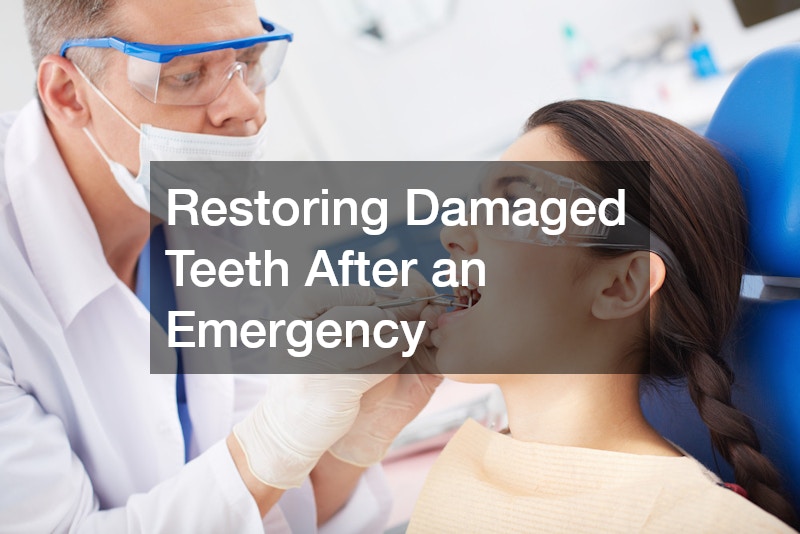
Restoring Damaged Teeth After an Emergency
Once immediate pain or danger is addressed, the next step often involves restoring function and strength to damaged teeth. Dental repair solutions vary depending on the extent of the damage and the patient’s overall oral health.
Common repair approaches include:
-
Bonding for minor chips or cracks
-
Fillings for cavities exposed during emergencies
-
Stabilization for loose or fractured teeth
-
Temporary restorations until permanent solutions are possible
Dental repair focuses on preserving as much natural tooth structure as possible. Early intervention improves success rates and minimizes the need for more invasive procedures. Patients are often advised on aftercare steps, such as avoiding hard foods and maintaining meticulous oral hygiene during recovery.
Prompt and appropriate repair restores comfort, function, and confidence while preventing future complications.
Addressing Aesthetic Concerns After Urgent Dental Treatment
Dental emergencies can affect appearance as well as function. Chips, fractures, and discoloration may impact a patient’s confidence, even after pain is resolved. Cosmetic dentists play a key role in restoring a natural, attractive smile following emergency treatment. Beyond immediate repairs, their work can help patients regain self-esteem and feel comfortable in social and professional settings.
Cosmetic solutions may include:
-
Tooth-colored restorations
-
Veneers for visible damage
-
Whitening after trauma-related discoloration
-
Contouring to improve symmetry
These treatments are carefully planned to complement the patient’s facial features and existing teeth, creating results that look seamless and natural. Cosmetic dentists balance aesthetics with oral health, ensuring restorations look natural and function properly. They also consider the longevity of materials, selecting options that are durable and resistant to staining or wear.
Timing is important, as some cosmetic treatments are performed only after healing is complete. For example, veneers or whitening may be delayed until gum tissue and underlying teeth have stabilized. Addressing appearance concerns alongside functional restoration ensures patients feel fully recovered, not just symptom-free, following a dental emergency.
Additionally, cosmetic dentists may provide preventive guidance to reduce the risk of future damage, including protective dental appliances or adjustments to biting habits. By combining aesthetics, function, and prevention, cosmetic dentistry supports both confidence and long-term oral health.
When Tooth Protection and Structural Support Are Necessary
In cases of significant damage, a dental crown may be necessary to protect and reinforce a weakened tooth. Crowns are commonly recommended after fractures, large restorations, or emergency procedures that compromise tooth structure. When a tooth has lost a substantial amount of enamel or internal support, a crown acts as a protective shell, restoring function while preventing further deterioration.
Benefits of a dental crown include:
-
Restoring strength and stability
-
Protecting against further damage
-
Improving appearance and alignment
-
Supporting long-term oral health
Beyond these benefits, crowns also help preserve the natural tooth whenever possible. Rather than removing a damaged tooth, placing a crown allows patients to maintain proper bite alignment and chewing efficiency. This preservation plays an important role in preventing adjacent teeth from shifting, which can otherwise lead to jaw discomfort or uneven wear over time.
Crowns may be placed temporarily during emergency treatment, followed by a permanent restoration once healing occurs. This staged approach ensures comfort and durability while allowing time for accurate customization. Temporary crowns protect the tooth during recovery and give patients an opportunity to adjust before the final crown is placed. Permanent crowns are then crafted to match the tooth’s shape, color, and size, creating a seamless and natural appearance.
Materials used for crowns vary based on location and function. Options may include porcelain, ceramic, metal alloys, or combinations designed to balance strength and aesthetics. The choice often depends on factors such as bite pressure, visibility, and personal preferences. Discussing these options helps patients understand durability expectations and long-term maintenance needs.
Proper care of crowned teeth—including regular brushing, flossing, and checkups—helps ensure long-lasting results. Patients should also avoid habits such as chewing ice or hard objects, which can place unnecessary stress on restorations. With appropriate care and routine professional monitoring, crowns can remain effective and comfortable for many years, restoring confidence and supporting overall oral function following dental emergencies.
Preparing for Emergency Visits and Follow-Up Care
Preparation can significantly improve the experience and outcome of an emergency dental visit. Knowing what to expect at a dental clinic helps patients feel more confident and reduces stress during urgent situations. When emotions and discomfort run high, having a plan in place allows patients to focus on getting the care they need rather than scrambling for information.
Helpful preparation tips include:
-
Bringing insurance and medical information
-
Noting symptoms and timing of pain
-
Asking questions about treatment options
-
Understanding follow-up care requirements
In addition to these steps, patients may benefit from arranging transportation in advance, especially if treatment could involve sedation or pain medication. Wearing comfortable clothing and allowing extra time for paperwork or diagnostic imaging can also make the visit smoother. Many emergency appointments involve X-rays or evaluations before treatment begins, so being mentally prepared for a short waiting period helps manage expectations.
During the visit, clear communication is essential. Patients should describe their symptoms accurately, including when the issue started, what makes it better or worse, and whether swelling, bleeding, or sensitivity is present. Providing a complete picture allows providers at the dental clinic to assess urgency, rule out complications, and recommend the most appropriate course of action. Patients should also feel comfortable discussing concerns about pain management, costs, and recovery timelines.
After emergency treatment, follow-up visits are often necessary to complete care or monitor healing. Patients should follow instructions carefully, including medication use and activity restrictions. Skipping follow-up care can increase the risk of reinjury, infection, or incomplete healing, potentially leading to additional discomfort later.
Choosing a reliable dental clinic ensures continuity of care and supports long-term oral health after an emergency. Consistent records, familiarity with a patient’s history, and coordinated follow-up care all contribute to better outcomes. When patients know where to turn and how to prepare, emergency dental situations become more manageable, organized, and far less overwhelming.
Dental emergencies can be unsettling, but understanding when to seek care and how professionals respond makes them far more manageable. Prompt action protects oral health, minimizes discomfort, and reduces the risk of long-term complications. Acting quickly can often mean the difference between a simple solution and a more complex, costly procedure later on.
By recognizing warning signs, knowing where to turn for help, and following through with recommended care, patients can navigate emergencies with confidence. Preparation plays a critical role in this process. Keeping emergency contact information accessible, maintaining regular dental checkups, and addressing minor concerns before they escalate all contribute to better outcomes. Even simple habits such as proper oral hygiene and wearing protective gear during sports can significantly lower the likelihood of sudden dental issues.
Proactive planning and ongoing oral health maintenance further reduce the likelihood of urgent problems. Regular examinations allow dental professionals to identify vulnerabilities early, such as weakened enamel, existing restorations nearing the end of their lifespan, or signs of infection. Addressing these concerns in advance helps patients avoid unexpected pain and stress while preserving overall oral function.
Equally important is understanding the value of follow-up care after an emergency. Recovery does not always end once discomfort subsides. Attending follow-up appointments, adhering to aftercare instructions, and making recommended adjustments to daily routines ensure proper healing and long-term stability. These steps support both physical recovery and peace of mind.
With the right knowledge and timely professional support, dental emergencies become challenges that can be addressed effectively rather than feared. A calm, informed response allows patients to regain comfort, protect their oral health, and move forward with confidence. Over time, this approach fosters a sense of control and reassurance, ensuring that oral health remains a manageable and integral part of overall well-being well into the future.